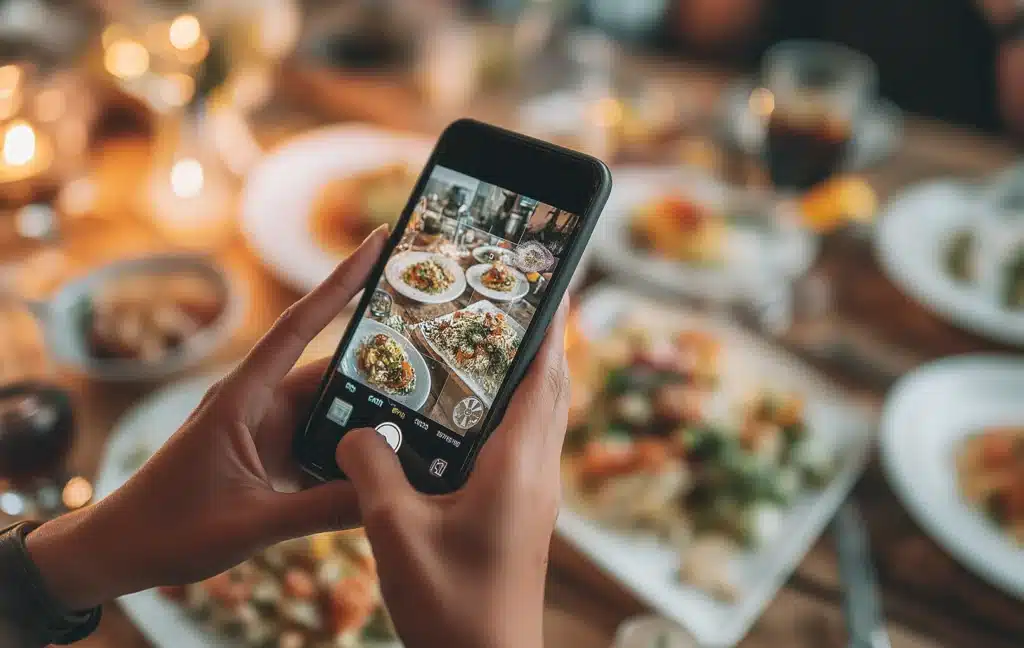
Local food influencers and bloggers have become key players in influencing audiences, their choices and decisions, making them an effective marketing tool for restaurants and cafes. Instead of relying solely on traditional advertising, food bloggers’ experiences and stories now serve as a more credible way to influence restaurant goers.
Across the GCC, ad spending in the influencer advertising market is expected to reach $315.57 million in 2025. The market will see a compound growth rate (CAGR) of 13.97% from 2025 to 2030, pushing market volume to around $606.88 million by 2030.
Local food influencers, in particular, provide greater value thanks to their strong relationships with their followers who share the same interests. Through local influencer marketing, restaurants can reach a wider audience. As these influencers can engage directly with customers and make a tangible impact that goes beyond traditional, sponsored social media ads.
In this article, we’ll explore the most prominent strategies for local food influencer marketing, along with the different types of influencers and how to find and connect with them.
Local Influencer Marketing in the Food Industry
Before developing an influencer marketing strategy, you first need to identify the different types of influencers. Each type specializes in a certain field, where terminology and benefits vary according to the number of followers.
For example, while macro-influencers boast massive follower counts, they often lack direct communication with their audience. This is where micro-influencers, who have local audiences, stand out for their genuine influence.
Here are the top types of influencers:
Macro-influencers: These influencers have hundreds of thousands, or even millions, of followers and often collaborate with global brands. However, their connection with followers tends to be more surface-level, and their content may seem more “sponsored” than authentic. This type of collaboration may not deliver significant outcomes locally, especially if the influencer’s audience is located elsewhere or isn’t the target customer. Macro-influencers usually demand hefty fees to try out your restaurant.
Micro-influencers: While they have a smaller number of followers, their audiences are usually from the geographic area where the restaurant or café is located. Followers trust their opinions as the relationship between them feels closer and more personal. When a local influencer recommends a dining spot, their followers take their reviews seriously and interact with them.
Why Local Influencers Are the Right Choice for Restaurants
Collaborating with local food influencers is a smart strategic option for restaurants and cafes. It combines accurate audience reach and high credibility. Since their followers are from the same region, it means your message directly reaches actual, potential customers.
Local food bloggers’ recommendations are more impactful than traditional ads due to their relationship with followers. Collaboration may also be less costly compared to macro-influencers and will likely result in higher engagement and increased visits to your restaurant.
More importantly, the content feels natural and reflects an authentic experience. This enhances your restaurant’s appeal and encourages others to try it out.
How to Choose the Right Influencer for Your Restaurant
The success of your influencer marketing campaign doesn’t start after the collaboration, but begins with your choice of influencer. Not every influencer is suitable for your brand. The influencer’s style, your target audience, and your visual identity must be in harmony. Start by searching through major platforms based on the country.
For example, Instagram is the most popular platform among restaurants and influencers worldwide, especially in the food industry and when using local hashtags. In Saudi Arabia, many influencers use TikTok and Snapchat, while in other countries, YouTube plays a major role.
That’s why you have to consider the platforms your audience and the influencer use.
If you’re looking for deeper insights, there are specialized tools and influencer platforms that help you filter bloggers by location, engagement rate, audience type, and other criteria.
One such tool is Influencer.ae in the UAE, which helps restaurants and cafes reach top UAE-based influencers. It allows you to filter by location, content type, and audience engagement. It also offers complete campaign management, from choosing the influencer to analyzing results. This ensures effective reach to actual local audiences and a tangible marketing return.
Meanwhile, Ifluenz is a smart, fast solution for restaurants looking for influencers to promote their brand. It offers access to a wide network of Instagram content creators. It also enables you to filter influencers by category, location, follower count, and engagement rate.
Criteria for choosing a local food influencer
When evaluating an influencer, don’t be deceived by the follower counts. Instead, focus on their engagement rate, it’s the main indicator of true influence.
Consider the quality of their visual content, as photos and videos represent your restaurant to your audience. Don’t forget to make sure the influencer’s followers are locals to guarantee your message reaches customers who can actually visit your restaurant.
The influencer’s style must also be compatible with your restaurant’s identity, whether luxurious, family-friendly, youthful, or something else.
For example:
- Ahmad Al Zamel is a Kuwaiti food influencer whose posts include restaurant experiences, cooking, and interviews with chefs. He also shares both videos and photos and has more than 4 million followers on Instagram.
- Hussain Sallam, known as S7S, is one of the most prominent food influencers in Saudi Arabia and the region. Known for his comedic style, he doesn’t just review dishes but also provides a full experience covering food quality, service, and atmosphere. S7S posts his content on YouTube, Instagram, TikTok, and Snapchat. He shares millions of experiences that reflect food and hospitality culture in the Gulf and the Arab World. He has over 3 million followers on Instagram.
- Sheikha Hesa Al Khalifa is a Bahraini influencer based in the UAE. She focuses on reviewing restaurants and cafes with a professional approach that blends refined taste and objective analysis of the entire experience. Unlike some food bloggers who only display dishes or ambiance, she highlights various elements, from service quality to authentic flavors to design details and the overall guest experience. She believes that restaurant reviews should capture the complete experience, not just the food.
Signs to watch out for when choosing food bloggers
Food influencer marketing can be tricky. Be cautious of the negative signs like fake followers, weak engagement, or non-specialized content.
Collaborating with an influencer who doesn’t have a real audience or doesn’t produce high-quality visuals may do more harm than good.
3 Steps to Prepare Your Restaurant to Attract Influencers
To successfully attract local food influencers to your restaurant, it’s not enough to contact them. Your restaurant needs to be worth documenting and sharing.
Influencers look for unique experiences that show up well in their photos and videos.
You can achieve this in 3 essential steps:
- Restaurant and dish design: Your restaurant should have a distinctive décor that reflects your brand identity. Dishes have to be served with artistic, eye-catching touches. Your staff must be professional and well-trained in dealing with customers. These are all key elements to create a special experience that encourages influencers to share.
- An attractive menu: Use menu engineering tactics so your menu, dishes, and beverages become a part of your marketing strategy. Choose recipes with contrasting colors or creative presentations that show the beauty of dishes and make it easy for influencers to capture appealing photos that are worth sharing.
- Social media presence: Make sure your social media accounts are verified and reflect the level of professionalism that influencers and their followers search for. This includes high-quality pictures, quick responses, and consistent posting. You can use ChatGPT to write content to share on your accounts.
When your restaurant is set up this way, you won’t need to chase influencers. On the contrary, they’ll come to you, seeking a worth-sharing experience.
Communication and Building Relationships with Food Influencers
Once you’ve identified the right influencer for your restaurant, the most important stage begins: how to communicate with them. Always remember that today’s influencers are strategic partners, not just advertising tools, and engaging with them requires respect and an understanding of the nature of their work.
Start by studying the influencer’s style and choose their preferred way of communication, whether direct messaging via Instagram or email. When writing your message, explain why you’re interested in collaborating with them.
Make sure your message is direct and clarify what you expect from the collaboration. You should also mention what you’re offering them in return, whether it’s an invitation for experience, coverage, or a long-term partnership.
What Can You Offer an Influencer?
A successful collaboration has to be truly valuable for both sides. Some of the most attractive offers for influencers include:
- A unique experience: Offer influencers an exclusive invitation to try out a new menu before its launch or a special meal.
- Behind-the-scenes access: Invite them to document what goes on inside the kitchen or to interview the chef. This is rich content that their audience won’t find anywhere.
- An inspiring story: Share the story behind your restaurant’s founding or your cooking philosophy. These details add a personal touch to the content and boost engagement.
Innovative ideas for collaborations
- Contests and giveaways: Collaborate with an influencer to host raffles or giveaways of free meals or vouchers. This raises awareness of your restaurant and motivates visits.
- A limited-time dish: Create a dish named after the influencer or inspired by their taste, and sell it for a limited time to attract their followers.
Collaboration Management with Influencers and Celebrities
Before starting a collaboration with any influencer, you need to set clear and detailed expectations. This helps you ensure the process runs seamlessly and professionally. Don’t leave anything to coincidence and be precise at every step.
Set clear and precise expectations
- Define deliverables: Clearly outline the type of content you want and the number of pieces or posts (if possible), such as a pinned post, a series of stories, reels, or a video on TikTok.
- Agree on timing: Agree in advance on the publishing time to ensure utmost engagement, especially if the content is linked to an event or a new launch.
- Tags and hashtags: Ask the influencer to directly tag your restaurant’s handle and use specific hashtags, while adding the restaurant’s location. If you’re operating several restaurants, the influencer can share the locations or mention them in the post.
- Transparency and disclosure: Emphasize the importance of disclosing the nature of the collaboration (whether paid or not). This reinforces your credibility and ensures compliance with advertising regulations.
Encourage creativity while preserving brand identity
- Allow space for creativity: Don’t force rigid scenarios. Instead, give influencers space to express their experiences in their own style. This makes the content natural and convincing.
- Provide general guidelines: Provide influencers with a simple guideline about your restaurant’s values, such as focusing on family-friendly vibes or organic ingredients. This ensures the content matches your brand while remaining attractive and engaging for the influencer’s audience.
Maximize benefits from the content produced
- Reposting: Ask for the influencer’s permission to repost their content on your restaurant’s official pages or accounts. This boosts your credibility and positions your restaurant as a point of interest for influencers and celebrities, while making the most of the content produced.
- Paid ads: You can use this content in your paid ad campaigns, as it’s often more appealing and impactful than traditional ads. Make sure to sign an agreement with the influencer in advance for the use of this content in this format as it may require additional compensation.
- Social proof: Don’t forget to save the stories shared about your restaurant in the “Highlights” section on Instagram. These stories act as social proof, which documents positive experiences and draws in new customers in a smart and trustworthy way.
Measuring Success and ROI from Local Influencer Marketing
Like any marketing campaign, key performance indicators (KPIs) need to be set to measure the success of your influencer campaign. It’s not about the quick appearance of a celebrity at your restaurant. Tracking the numbers will reflect the impact of the campaign, including reach and engagement. Make sure you ask for the content’s statistics from the influencer and monitor the real audience engagement rate.
You can also track the direct impact through customized promo codes to each influencer or by training your staff to ask customers how they heard about your restaurant. Keep an eye on any increase in the number of visits or reservations after the content is published. Also, keep track of positive ratings on popular review sites like Google, as they’re a clear indicator of campaign success.
Don’t let the relationship between you and the influencer fade away once the collaboration ends. Show appreciation with a thank-you message and stay in touch to support the influencer and engage with their content. Building a long-term relationship with special influencers gives you the chance to re-collaborate in the future.
Finally…
Local influencer marketing is no longer optional. It’s a necessity for any restaurant or café seeking growth and a real connection with guests. It only takes one visit from a trusted influencer to turn your restaurant into a bustling destination filled with visitors.
This kind of collaboration contributes to raising brand awareness and gives you the chance to reach a targeted local audience that trusts recommendations from influencers they already follow and appreciate their opinions.
Moreover, the content generated during these campaigns is a precious marketing asset that can be reused across your advertising campaigns, doubling its value. You don’t need a massive budget to start, it’s enough to choose the right local influencer to collaborate with, then monitor the results and learn from there. Over time, you can expand your network and build a sustainable influencer strategy that positions your restaurant at the forefront of the competition.