Table of Contents
Restaurant Delivery Service: Complete Guide for Restaurant Success
The restaurant delivery service industry in the Middle East is experiencing unprecedented growth, with the food service market projected to reach USD 95.20 billion by 2030. As consumer expectations evolve and technology advances, restaurants must adapt their delivery operations to remain competitive and profitable. A well-integrated restaurant delivery service can transform your business, increasing revenue while enhancing operational efficiency.
Modern restaurant delivery service solutions combine advanced POS integration, automated order management, and real-time tracking to create seamless experiences for both customers and staff. From cloud kitchens in Riyadh to fine dining establishments in Dubai, successful restaurants are leveraging technology to optimize their delivery operations and build stronger customer relationships.
Middle East Food Service Market Growth (2025-2030)
The integration of advanced delivery technology is no longer optional for restaurants—it’s essential for survival in today’s competitive market. We’re seeing 40-60% revenue increases in restaurants that properly implement comprehensive delivery solutions.
Understanding Modern Restaurant Delivery Service
Market Growth and Opportunities
The Middle East food service market is experiencing remarkable expansion, with an estimated value of USD 55.41 billion in 2025, projected to reach USD 95.20 billion by 2030 at a CAGR of 11.49%. Saudi Arabia dominates the regional market with 34.27% market share, followed by the UAE with significant growth in both traditional dining and delivery services.
Restaurant delivery service has become a critical revenue driver, with 70% of consumers ordering delivery monthly. The online food delivery market in the Middle East and Africa is expected to reach USD 17.9 million by 2030, growing at a CAGR of 17.5%. This growth is particularly strong in the GCC region, where platforms like Talabat hold 55% market share.
For restaurant owners, this represents both opportunity and challenge. While delivery can increase revenue significantly, it also requires sophisticated technology integration to maintain operational efficiency. Successful restaurant management systems help businesses capitalize on this growth while managing the complexities of multi-channel operations.
Technology Integration Benefits
Modern restaurant delivery service technology offers transformative benefits that extend far beyond simple order processing. Integrated systems reduce manual errors by 85%, improve order accuracy, and accelerate fulfillment times. When properly implemented, these solutions can increase delivery revenue by 40-60% while reducing operational costs.
The key advantage lies in seamless integration between POS systems, kitchen operations, and delivery platforms. This integration eliminates the need for manual order re-entry, reduces communication errors, and provides real-time visibility into all operations. Advanced analytics help restaurant owners optimize pricing, staffing, and inventory management across all channels.
Delivery Service Technology Benefits
Essential Components of Restaurant Delivery Service
POS System Integration
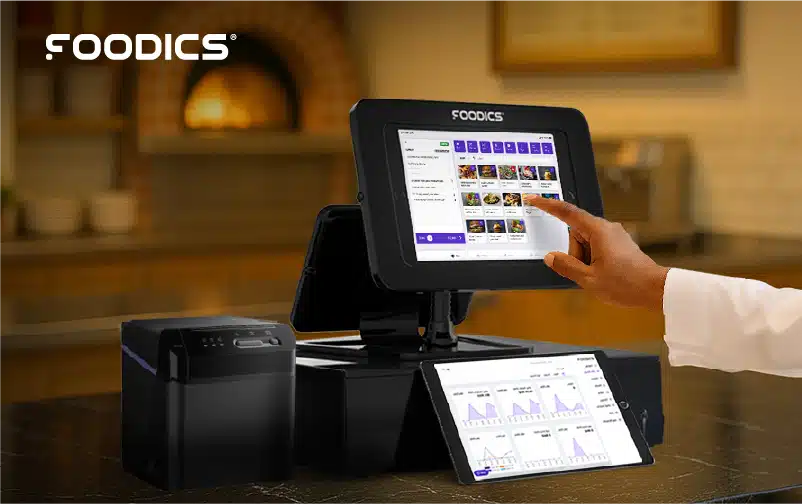
The foundation of any successful restaurant delivery service is robust POS integration that unifies all ordering channels. Modern point-of-sale systems automatically receive orders from delivery platforms, process payments, and route information to kitchen systems without manual intervention.
Cloud-based POS systems offer particular advantages for delivery operations, enabling real-time synchronization across multiple locations and delivery platforms. These systems automatically update inventory levels, apply promotional pricing, and generate detailed reports for performance analysis. Integration with major delivery aggregators like Talabat, Deliveroo, and Uber Eats ensures seamless order flow.
Key integration features include automated menu synchronization, real-time availability updates, and centralized order management. When customers place orders through third-party platforms, the information immediately appears in your POS system and flows to kitchen displays, eliminating delays and reducing errors.
Order Management Systems
Effective order management is crucial for restaurant delivery service success, particularly during peak periods. Advanced order management systems consolidate orders from multiple channels into a single interface, providing kitchen staff with clear priorities and timing requirements.
The waiter app functionality extends to delivery operations, allowing staff to track order progress, communicate with delivery drivers, and update customers on order status. This transparency builds customer confidence and reduces support inquiries.
Smart order routing optimizes kitchen workflow by grouping orders based on preparation time, ingredient availability, and delivery logistics. This reduces wait times and ensures food quality while maximizing kitchen efficiency. Integration with inventory management systems prevents overselling unavailable items.
| Technology Component | Basic Solution | Integrated Solution | Foodics Solution |
|---|---|---|---|
| POS Integration | Manual order entry | Automatic order sync | Real-time multi-platform integration |
| Kitchen Display | Paper tickets | Digital displays | Smart prioritization & timing |
| Order Tracking | Phone calls only | Basic SMS updates | Real-time GPS tracking |
| Analytics | Manual reporting | Basic dashboards | AI-powered insights |
The restaurants that thrive in the delivery economy are those that view technology as a strategic investment, not just an operational expense. Integrated systems create competitive advantages that are difficult for competitors to replicate.
Delivery Service Technology Solutions
Kitchen Display Systems
Kitchen display systems represent a critical component of modern restaurant delivery service operations. These digital displays replace paper tickets, providing kitchen staff with clear, organized order information that updates in real-time as orders progress through preparation stages.
For delivery operations, kitchen displays show estimated preparation times, special delivery instructions, and packaging requirements. Color-coded systems help staff prioritize orders based on delivery timing and customer preferences. Integration with delivery tracking allows kitchens to coordinate preparation with driver availability.
Advanced kitchen display systems include features like automatic timer alerts, preparation step tracking, and quality control checkpoints. These capabilities ensure consistent food quality while maintaining the speed required for successful delivery operations. Staff can mark orders complete directly on the display, automatically triggering customer notifications.
Real-time Order Tracking
Customer expectations for delivery transparency continue to rise, making real-time order tracking essential for restaurant delivery service success. Modern tracking systems provide customers with accurate delivery estimates, driver location, and order status updates throughout the delivery process.
Integrated tracking solutions connect POS systems, kitchen displays, and delivery management platforms to provide seamless visibility. Customers receive automated notifications when orders are confirmed, prepared, dispatched, and delivered. This transparency reduces customer anxiety and support calls while building trust and loyalty.
For restaurant operators, tracking systems provide valuable data on delivery performance, driver efficiency, and customer satisfaction. This information enables continuous optimization of delivery operations and helps identify areas for improvement.
Delivery Performance Metrics Timeline
Implementation Strategies for Success
Staff Training and Operations
Successful restaurant delivery service implementation requires comprehensive staff training that covers both technology operation and delivery-specific procedures. Staff must understand how integrated systems work, how to troubleshoot common issues, and how to maintain quality standards under increased order volume.
Training should emphasize the importance of accurate order entry, proper packaging procedures, and timing coordination between kitchen and delivery operations. Restaurant staff training programs should include hands-on practice with POS systems, kitchen displays, and order management interfaces.
Operational procedures must account for delivery-specific requirements such as packaging standards, temperature control, and special delivery instructions. Clear protocols for handling delivery delays, customer complaints, and order modifications help maintain service quality during challenging situations.
Performance Monitoring and Analytics
Continuous performance monitoring is essential for optimizing restaurant delivery service operations. Modern analytics platforms provide detailed insights into order volume, delivery times, customer satisfaction, and financial performance across all channels.
Key performance indicators include average order value, delivery time accuracy, customer retention rates, and operational costs per order. Restaurant financial management systems integrate delivery analytics with overall business performance metrics.
Regular analysis of delivery data helps identify trends, optimize pricing strategies, and improve operational efficiency. Restaurants can adjust staffing levels, menu offerings, and delivery zones based on performance data to maximize profitability.
Ready to Transform Your Restaurant Delivery Service?
Implementing a comprehensive restaurant delivery service solution can significantly boost your revenue while improving operational efficiency. Modern technology eliminates the complexity of managing multiple delivery channels while providing the insights needed to optimize performance.
Technology Investment and ROI Analysis
Restaurant delivery service technology investments typically generate positive ROI within 6-12 months through increased efficiency and revenue growth. The combination of reduced labor costs, improved order accuracy, and higher order volume creates multiple value streams.
Cost savings come from reduced manual errors, faster order processing, and improved inventory management. Revenue increases result from expanded customer reach, higher order frequency, and improved customer satisfaction leading to repeat business and referrals.
Restaurant automation reduces dependency on manual processes, enabling restaurants to scale delivery operations without proportional increases in labor costs. This scalability is particularly valuable for growing businesses and multi-location operators.
After implementing integrated delivery technology with comprehensive analytics, we increased our delivery revenue by 65% while reducing operational costs by 30%. The data-driven insights transformed how we operate and compete in the market.
Future Trends in Restaurant Delivery Service
The restaurant delivery service landscape continues evolving with emerging technologies and changing consumer expectations. Artificial intelligence increasingly optimizes delivery routes, predicts demand patterns, and personalizes customer experiences.
Integration with loyalty programs becomes more sophisticated, enabling restaurants to build stronger customer relationships through delivery channels. Advanced analytics predict customer preferences and optimize menu recommendations for delivery orders.
Sustainability considerations drive innovation in packaging, delivery logistics, and local sourcing strategies. Restaurants increasingly focus on reducing food waste and optimizing delivery routes to minimize environmental impact while maintaining profitability.
Frequently Asked Questions
| Question | Answer |
|---|---|
| What is the most important component of restaurant delivery service technology? | POS system integration is the foundation of successful delivery operations. A properly integrated POS system automatically manages orders from multiple platforms, reducing errors and improving efficiency. Modern systems sync with kitchen displays, inventory management, and delivery tracking to create seamless operations. |
| How much can restaurants expect to invest in delivery service technology? | Initial investment varies based on restaurant size and requirements, typically ranging from $3,000-$15,000 for comprehensive solutions. However, most restaurants see positive ROI within 6-12 months through increased efficiency and revenue growth. Contact our experts for customized pricing based on your specific needs. |
| How do integrated delivery systems improve order accuracy? | Integrated systems eliminate manual order re-entry, reducing human errors by up to 85%. Orders flow automatically from delivery platforms to POS systems and kitchen displays, ensuring accurate information reaches kitchen staff. Real-time synchronization prevents discrepancies and improves overall order quality. |
| What are the key performance metrics for delivery service success? | Essential metrics include average delivery time, order accuracy rate, customer satisfaction scores, and cost per delivery. Restaurant analytics should track revenue per delivery channel, repeat customer rates, and operational efficiency indicators to optimize performance. |
| How can restaurants optimize delivery operations during peak periods? | Peak period optimization requires demand forecasting, staff scheduling alignment, and efficient order prioritization. Restaurant automation helps manage increased volume while maintaining quality. Kitchen display systems enable better order flow management during busy periods. |
Sources Used:
- Middle East Food Service Market Analysis 2025-2030, Digiroads Research
- MENA Food Service Industry Report 2025, Fortune Business Insights
- Restaurant Delivery Technology Trends, National Restaurant Association
- Middle East Restaurant Industry Insights, Mastercard Services