Restaurant point-of-sale (POS) systems are a nonstop source of data. They record every order and interaction, generating a massive amount of valuable sales reports and analytics. These reports don’t just tell you about the quantity of sales, they uncover important information about who your customers are, the dishes they actually love, how they make purchasing decisions, order rates, their overall behavior inside and outside the restaurant, and much more.
In this article, we’ll zero in on how to turn Foodics POS reports into a strategic tool to understand your customers deeply and design exceptional dining experiences for them. We’ll dive into data analytics, including a variety of restaurant sales reports you can get with Foodics.
Data Analysis for Restaurants: The New Competitive Edge
Competition in the restaurant industry isn’t just about food quality and taste, it relies on how well you know your customers. In today’s market, the winning restaurant is the one that understands customers and meets their needs. Understanding guests encourages frequent visits, as it includes knowing their favorite dishes and dining habits.
This data can be analyzed to build genuine loyalty and sustainably boost revenues. This ability to understand your customers helps you offer a personalized experience tailored to their expectations.
Fortunately, you don’t need complex surveys. Foodics’ POS provides you with detailed, rich reports that turn daily transactions into analyzed data that you can use to shape strategies.
What Are the Most Important POS and Sales Reports for Restaurants?
Discover the key sales reports you can analyze and benefit from.
Sales reports
These reports are the first step to understanding purchasing preferences:
- Sales Reports: They clearly identify top-performing and best-selling dishes. They also show favorite seasonal dishes or menus that you can focus on at the right times. These reports reveal daily and weekly rush hours, which help with staff scheduling and inventory planning.
- Payment Reports: These show the most common payment method your customers use, such as cash, cards, digital wallets, and Apple Pay. Understanding these preferences helps you personalize the payment experience and offer faster, more convenient solutions.
Learn more about Foodics Accounting and Financial Management program
Business reports: Measuring experience and loyalty
These reports provide indirect indicators of service quality and customer loyalty.
- Tipping (Tips) reports: A strong indicator of customer satisfaction with the level of service. Consistent tips mean your staff delivers a constant positive experience. On the other hand, a drop in tipping signals an issue in treatment quality.
- Giftcard and promo code reports: This measures potential customer loyalty and your ability to attract new customers through giftcards. Increased usage of these cards suggests building a loyal customer base.
- Cancellation and return reports: These shed light on dissatisfaction patterns. Frequently canceled or returned dishes may need immediate review of ingredients, preparation process, or menu description.
Analytical reports
- Menu engineering: This strategic report categorizes each menu item based on popularity and profit margin. It shows which dish is considered valued by customers, which generates the highest profit effortlessly, and which dish can be removed from the menu.
- Branch locations: If you’re managing a restaurant chain, this report allows you to compare the performance of the branches. It unveils differences in customer preferences by branch, as what customers prefer in one branch may not be ordered in another. This helps you tailor marketing offers for each branch.
- Modifier cost analysis: This report shows you your customers’ customization patterns, which can help you modify recipes or set a “customizable option” to satisfy customers.
Further reading: 7 Ways Restaurant Data Analytics Tools Can Help Boost Revenue
Supporting reports
Despite being inventory reports, they provide powerful insights into demand:
- Inventory levels and cost reports: These track inventory usage based on demand and show you the most consumed ingredients. This link between ingredient usage and dish sales indirectly highlights what customers order most.
- Inventory cost analysis: Connecting monthly ingredient costs with customer demand preferences shows which dishes drive the most value against your spending on raw materials.
Using Data Analytics & Sales Reports to Deliver Unique, Personalized Experiences
Here are realistic examples of using previous restaurant sales reports and data analytics to guide your decisions.
- Sales Report Data
If your reports show a 20% increase in weekday breakfast sales, it’s not just a statistic, but a strategic opportunity. You can invest in this natural growth by launching an offer combining coffee with pastries, encouraging customers to repeat orders on weekdays.
This is how data becomes an effective guiding tool to create innovative offers and campaigns based on actual customer behavior.
- Tipping report data
When reports show a notable increase in tips during the dinner shift, it’s a clear indicator of customer satisfaction and distinct service at that time.
You can make use of this data by scheduling your best staff during those hours to maintain the same experience level. You can also analyze the dinner team’s style and extract the best practices that contributed to this success so they can be applied to all shifts.
- Cancellation and return report data
When reports show frequent returns of a specific menu item, that’s a red flag that calls for immediate action.
This usually reflects an issue with the original recipe or its preparation in the kitchen. The optimal solution is to carefully review preparation and presentation steps while retraining the staff to ensure consistent quality every time.
Further reading: Top Menu Pricing Factors that Guarantee High Profits
- Modification option data
When data shows that customers ask for a particular add-on regularly, it’s not a coincidence. It’s a clear signal of a growing preference.
You can turn this behavior into a smart business opportunity by listing the add-on to your main menu or presenting it as a premium upgrade option. This enhances customer experience and simultaneously raises the average order value.
- Payments report data
When reports show a significant rise in the use of digital wallets and contactless payment methods, it reflects a clear shift in guest preferences toward speed, convenience, and security.
To make the most of this, you can design digital loyalty programs linked to payments via your restaurant’s app or send mobile push notifications with exclusive offers related to contactless payments.
Further reading: From Riyadh to Jeddah: How Mobile Apps Are Shaping the Saudi Dining Scene
Common Mistakes to Avoid When Reviewing Restaurant Data Analytics
- Don’t isolate numbers, but merge reports for context
One of the most common mistakes in restaurant management is analyzing POS reports separately without looking at the full picture. Numbers don’t become meaningful unless placed within their operational and financial context.
For example, it’s not enough to know that a certain dish is the top seller according to your restaurant sales report. You have to link this information to its preparation cost through the inventory cost reports and the number of cancellations or returns through the returns report.
This is in addition to the operational effort required to prepare it. When you combine all this data together, you may find out that the most ordered dish isn’t necessarily the most profitable, it might even be an operational burden that affects staff efficiency and service quality.
- Avoid focusing on revenues only
It’s true that profitability is the core goal for any restaurant, but it can’t be measured by revenue reports only. Real growth only occurs when profits are sustainable and supported by customer satisfaction.
Management shouldn’t just monitor revenue indicators such as total sales or average check value. Instead, you should balance them with customer satisfaction indicators like tip reports, staff performance evaluations, and customer feedback or aggregated complaints.
Figures may show that revenues are up today, but if satisfaction levels are low, it signals a loss of customers in the long run.
- Protecting customer data
In a data-driven world, protecting customer information has become a major responsibility. Every phone number or order registered is personal data that must be dealt with maximum caution and respect. All data shall be stored and processed within secure, encrypted systems to prevent unauthorized access or misuse.
The Competitive Advantage: Why Choose Foodics’ Reporting?
Foodics is an integrated restaurant management system, giving dining concepts like yours a competitive edge through smart management, data collection, and effective data analytics and reporting features.
- Smart, user-friendly dashboard
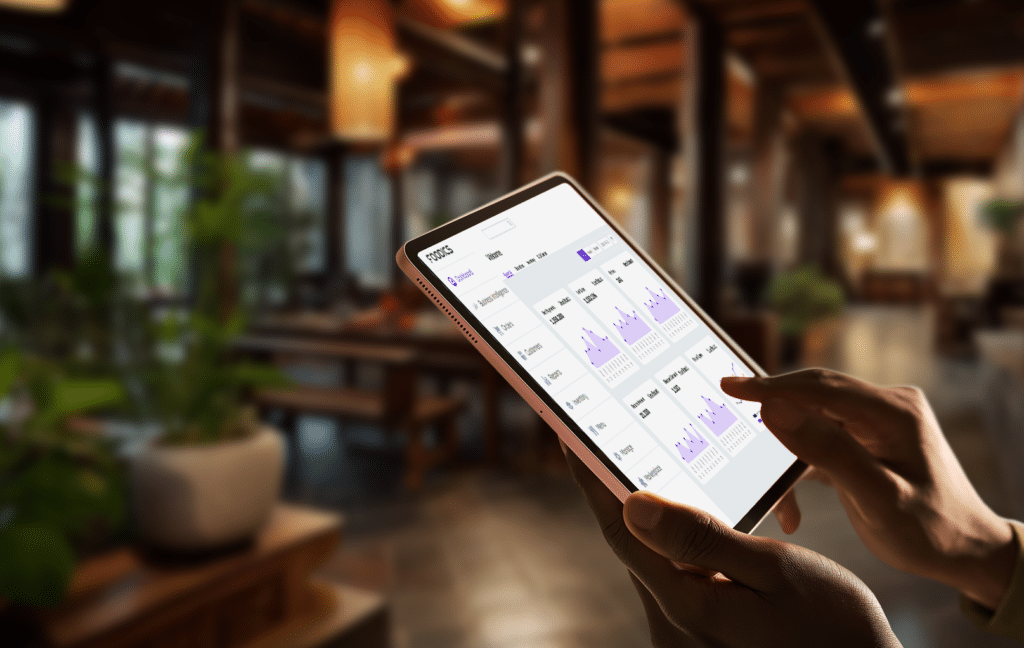
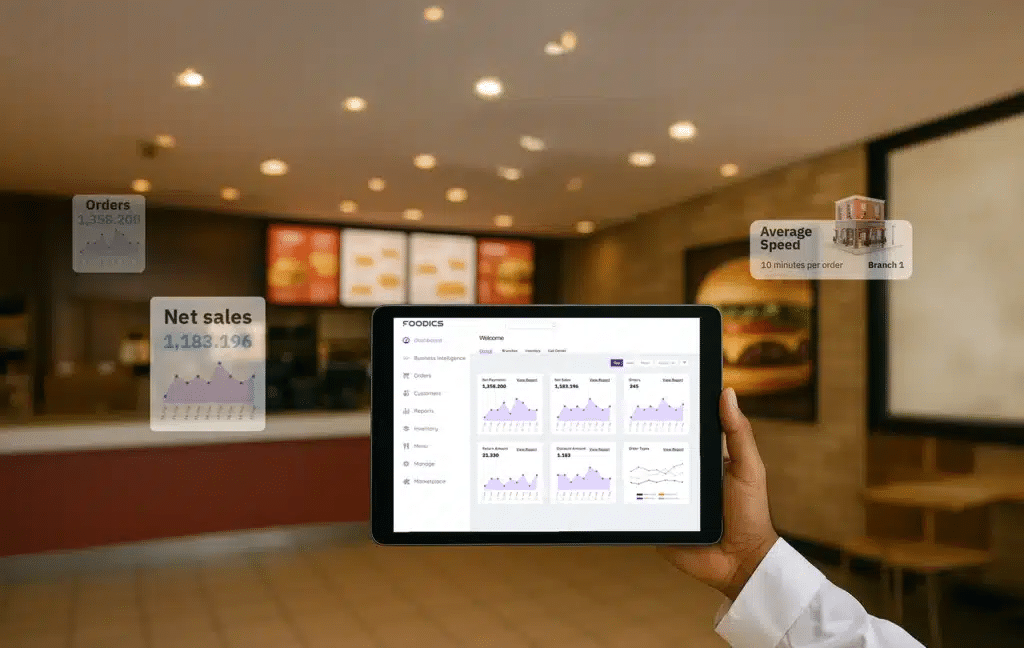
Foodics offers a POS system with an interactive dashboard, simplifying the analysis of customer behavior through clear, easy-to-read reports.
Instead of dealing with complicated spreadsheets, you can monitor performance, sales, and satisfaction indicators in real time. This helps you make immediate, well-thought-out decisions.
- Instant performance reports
You don’t have to wait till the end of the month to review detailed real-time reports. With Foodics’ POS, you can monitor sales performance and profits to identify the most profitable dishes and analyze payment methods and tips.
You can also track menu modifications and performance to determine customization preferences among your guests.
- Integration with several restaurant support programs
Foodics’ restaurant management and POS system enables integration with various restaurant tools, including restaurant loyalty programs, marketing, and customer relationship management (CRM) tools.
It links every transaction directly to the customer’s profile, giving you a complete view of customer behavior. This integration helps you design customized offers and marketing campaigns that target every customer segment with the highest possible efficiency.
Finally…
Restaurant sales reports aren’t just accounting numbers, they’re a language telling the story of your customers and their preferences and expectations.
The golden rule is simple: the more you listen to your data, the better you can personalize offers, improve menus, enhance service quality, and retain customers for longer. It’s time to turn your data into strategic decisions that boost both customer satisfaction and profits.
Discover Foodics POS system today and start transforming your restaurant’s valuable data into sustainable success and lasting customer loyalty.