Introduction: Match-Day Demand Will Test More Than Your Screens
The countdown is officially over. From June 11 to July 19, 2026, the world’s eyes will be fixed on North America for the World Cup 2026. With 48 teams competing—including our own Green Falcons (Al-Akhdar)—this tournament is set to be one of the most exciting sporting events in history. A recent joint report by FIFA and the World Trade Organization predicts a massive global turnout of over 6.5 million visitors, translating into millions more watching from screens across the globe.
Here in Saudi Arabia, the tournament represents much more than a sporting event. It is a massive socio-cultural phenomenon and an unprecedented commercial opportunity for the food and beverage (F&B) industry.
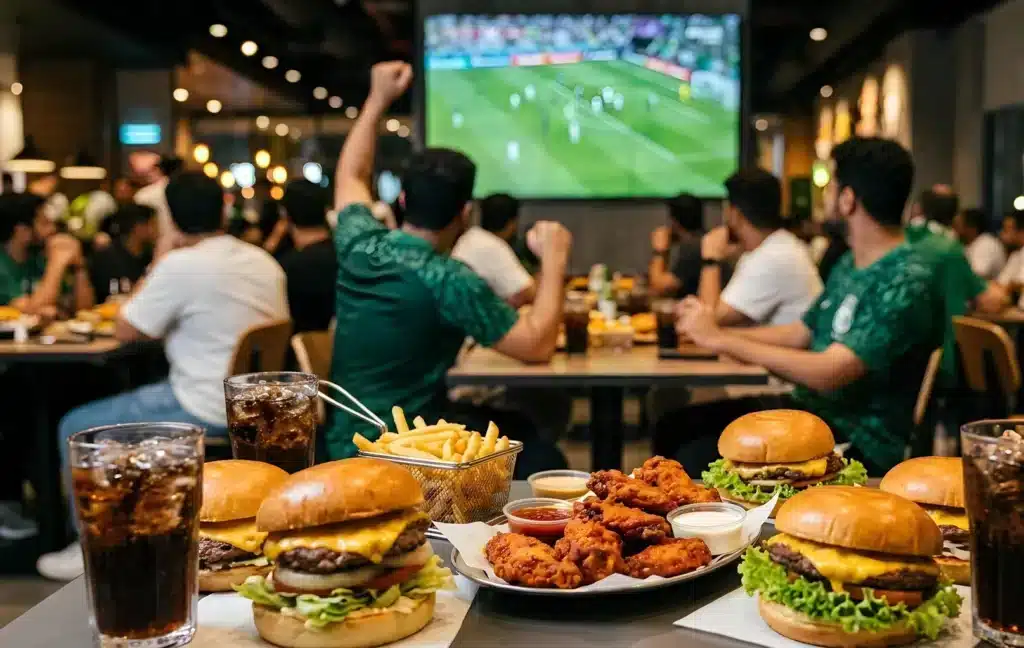
Match days are synonymous with social gatherings, group watch parties, delivery surges, and packed dine-in spaces. For Saudi restaurants, cafes, and lounges, this means a wave of high-volume, high-tempo traffic. But it also creates risk. A restaurant that is not ready may face stockouts, kitchen delays, crowded counters, frustrated delivery customers, and missed sales.
With kickoff just days away, here is your ultimate, step-by-step guide to preparing your restaurant for the World Cup 2026 match-day rushes.
Match-Day Demand Is Different From Normal Restaurant Traffic
Most restaurants understand their usual traffic patterns: lunch, dinner, weekends, payday periods, and delivery peaks. World Cup traffic, on the other hand, hits in violent, high-pressure waves:
- The Pre-Kickoff Wave: A sudden, massive surge of orders (both dine-in and delivery) 60 to 90 minutes before the whistle blows. Everyone wants their food on the table before the match starts.
- The Halftime Scramble: A chaotic 15-minute window where dine-in customers rush to order extra drinks, desserts, or quick bites, and delivery drivers swarm pickup counters.
- The Post-Match Wind-down/Celebration: Depending on the score, a wave of late-night celebrations or comfort food orders.
- The Saudi Match Phenomenon: When the Green Falcons play, expect domestic demand to skyrocket. Streets will be empty, and screens (at home or in-store) will be the sole focus.
This is why match-day planning should start with data, not guesswork. Foodics POS gives restaurants cloud-based access to order, reporting, customer, inventory, promotion, and business intelligence capabilities, helping operators understand how their business performs across branches and channels.
Build a Match Calendar Before Building Offers
Not every match deserves the same plan. A group-stage game on a weekday afternoon will not create the same pressure as a Saudi match, a weekend knockout game, or the final.
Restaurant owners should create a match calendar and classify games by expected demand. Priority matches may include:
- Saudi Arabia matches
- Opening match
- Weekend matches
- Knockout rounds
- Semi-finals
- Final
- Matches involving highly followed teams
For every high-priority match, prepare a simple operating plan covering staffing, inventory, kitchen capacity, dine-in reservations, delivery readiness, payment flow, and marketing messages.
Use Social Media Promotions Strategically While Respecting the IPs of World Cup
Social media can be one of the most powerful tools for driving match-day traffic during World Cup season. Restaurants can use platforms such as Instagram, TikTok, Snapchat, X, and Facebook to promote special offers, viewing experiences, limited-time menus, and group dining packages that attract football fans and encourage bookings.
However, while leveraging the excitement around the tournament, restaurants should also be mindful of brand protection and intellectual property considerations. FIFA states that its intellectual property is protected globally, and its World Cup 2026 IP guidelines cover tournament-related rights including intellectual property, media, marketing, licensing, and ticketing. Restaurants should generally avoid:
- Using official FIFA logos, emblems, mascots, trophies, or other protected tournament imagery.
- Using FIFA trademarks or official tournament names, including “FIFA World Cup 2026™,” without authorization.
- Incorporating official World Cup branding, graphics, or visual identities into advertisements, menus, signage, or social media content.
- Creating promotions, contests, or marketing campaigns that suggest an official connection with FIFA or the FIFA World Cup.
- Using wording that implies sponsorship, endorsement, partnership, or affiliation with FIFA unless such rights have been formally granted.
- Using official tickets, ticket imagery, or other protected tournament assets for commercial promotional purposes without permission.
Instead, focus on creating engaging football-themed campaigns that celebrate the fan experience without referencing protected assets. Promotions such as “Match-Night Bundles,” “Football Viewing Nights,” “Saudi Match Specials,” “Game-Day Offers,” or “Watch Party Deals” can generate excitement, increase engagement, and drive sales while keeping marketing efforts compliant and protecting your business from unnecessary legal risks.
Use Menu Strategy to Protect Speed and Profit
A long menu might work on a normal evening. On match night, it can slow the kitchen, confuse guests, increase errors, and stretch preparation times.
Restaurants should build a focused match-day menu using Menu Engineering principles: promote items that are popular, profitable, fast to prepare, and easy to deliver.
Strong match-day menu options include:
- Friends’ platters
- Family meal boxes
- Burger, fries, and drink combos
- Pizza and drinks bundles
- Wings and snacks boxes
- Desserts and drinks bundles
- Half-time quick bites
- Saudi match specials
The best bundles do more than increase average order value. They simplify decision-making, reduce kitchen complexity, and help staff sell confidently during peak moments.
This is also where Menu Design matters. A match-day menu should be short, visual, and easy to understand. Avoid promoting dishes that require long preparation, too many modifications, hard-to-source ingredients, or packaging that does not travel well.
Forecast Inventory Before the First Whistle
Match-day demand can turn small stock issues into major lost sales. Running out of fries, chicken, drinks, or packaging during a Saudi match is not just an operational problem. It is a missed revenue opportunity and a poor Customer Experience.
Before high-priority matches, restaurants should review stock levels for:
- Chicken
- Burgers
- Pizza ingredients
- Fries
- Snacks and sides
- Soft drinks and juices
- Desserts
- Ice
- Delivery packaging
- Napkins and disposables
Good Inventory Management is not about buying everything in excess. Overstocking can increase Food Waste and pressure margins. The smarter approach is to connect expected demand with previous sales patterns, menu priorities, and supplier readiness.
For multi-branch brands, this becomes even more important. One branch may sell more dine-in bundles, while another may be more delivery-heavy. Treating all locations the same can lead to waste in one branch and stockouts in another.
Design the Kitchen Around Pressure Points
During match nights, the kitchen becomes the heart of the operation. If order flow breaks down there, every channel suffers: dine-in, takeaway, delivery, and customer reviews.
The key pressure points are usually:
- 60 to 90 minutes before kickoff
- The first 15 minutes of the match
- Half-time
- Immediately after the final whistle
Restaurants should assign clear roles before the rush starts:
- Who handles dine-in orders?
- Who checks delivery packaging?
- Who updates unavailable items?
- Who supports the fryer station?
- Who escalates delays?
Task Automation also matters. The fewer manual steps your team has to repeat during a rush, the fewer mistakes they are likely to make.
Foodics KDS supports single and multi-station kitchen workflows, distributes orders across stations, eliminates paper slips, and provides real-time reports on order processing time at each workstation.
Manage Dine-In Flow Without Damaging the Experience
A full restaurant on match night looks like success. But if guests wait too long to order, tables stay blocked without enough spend, or checkout creates crowding, profitability can suffer.
For major matches, restaurants should consider:
- Reservations for premium viewing areas
- Clear table policies
- Group menus or minimum spends
- Seating zones
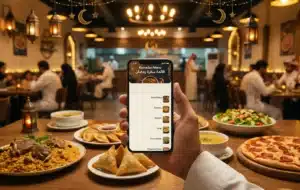
- QR menus
- Order-at-table options
- Faster payment options
- A clear post-match clearing and cleaning plan
Staff Training is essential here. Waiters and cashiers should know which bundles are active, which items are unavailable, how to handle split bills, and how to communicate wait times clearly.
The Foodics Waiter App helps waiters view the menu, enter and modify orders, send them instantly to the kitchen, manage tables, and accept payments from the same handheld tablet.
Treat Delivery and Takeaway as Their Own Business Line
Many fans will not visit restaurants during matches. They will watch at home with family and friends. That means delivery and takeaway need their own plan, not just leftover capacity from dine-in.
Aggregators (Jahez, HungerStation, ToYou, etc.) will experience unprecedented demand, which often leads to delivery driver shortages and order dispatch delays. Using Foodics Online is another option for restaurants to manage direct online ordering, sync menus with Foodics POS, create multiple menus, launch promotions, manage customer profiles, receive online payments, and view reports on best-performing sales channels and products.
- Establish a Dedicated Driver Zone: Create a physical, clearly marked space for delivery drivers that is separate from your main dine-in entrance. This prevents overcrowding and keeps your guest atmosphere calm.
- Optimize Packaging: Use sturdy, insulated packaging that ensures fries stay crispy and drinks stay cold, even if the delivery driver gets caught in match-day traffic.
- Offer “Drive-Thru / Curbside” Pickup: Allow local fans to order ahead via your website and run the food out to their cars, bypassing aggregator delays entirely.
This is where Restaurant Operating Cost thinking becomes important. Delivery can drive volume, but if packaging, commissions, discounts, and waste are not controlled, higher sales may not translate into better margins.
Shave Off Precious Seconds at Checkout
During halftime or right after the final whistle, the payment process can quickly become a major bottleneck. If customers have to wait several minutes just to settle their bill, order another round, or grab a quick drink, frustration builds and sales opportunities are lost.
Even shaving 15 seconds off each payment transaction can significantly increase throughput during peak match-day periods.
- Bring Payment to the Table: Allow guests to pay without leaving their seats using Pay at Table. Clients can check the bill, perform card payments, split invoices between individuals, and give tips directly at the table without any need for the servers.
- Turn Waiters into Mobile Payment Points: Equip staff with the Waiter App so they can take payments tableside instead of directing guests to a cashier queue.
- Eliminate Manual Entry Errors: Integrated payment terminals automatically receive bill amounts from the POS, removing the need for cashiers to manually enter payment values. This helps reduce mistakes, prevent billing discrepancies, and accelerate checkout.
On match days, payment speed is more than a convenience—it directly impacts table turnover, queue length, guest satisfaction, and the ability to maximize revenue before the next demand wave arrives.
Turn Match Nights Into Repeat Visits
The biggest opportunity is not only the sale during the match. It is what happens after.
A guest who comes for a Saudi match may return for dinner the next week. A delivery customer who orders a family bundle may become part of a loyalty program. A group that books a table for a knockout match may return for the final.
This requires restaurants to think beyond transactions and invest in Customer Relationship Management.
Foodics Loyalty supports repeat visits across Foodics channels including POS, CDS, Online, Waiter, and Kiosk. It also helps restaurants track member points, redemptions, activity, purchase habits, and preferences across branches and time.
That means a restaurant can follow up after match night with more relevant offers. A café can target guests who ordered desserts during evening matches. A burger brand can reward customers who bought group bundles. A casual dining restaurant can invite previous match-night guests to book early for the next big game.
Strong Loyalty is not about sending generic discounts. It is about recognizing behavior and giving customers a reason to return.
Use Data After Every Match
The tournament lasts long enough for restaurants to improve. Each major match should become a learning opportunity for the next one.
After priority games, operators should review:
- Bestselling items
- Bestselling bundles
- Sales by hour
- Sales by branch
- Dine-in, delivery, and takeaway sales
- Average order value
- Canceled orders
- Returned orders
- Inventory movement
- Staff performance
- Payment trends
This is where Data Analytics and Reporting becomes a competitive advantage. Restaurants that review performance after every match can adjust staffing, refine bundles, improve forecasting, and remove menu items that slow down the kitchen.
Foodics BI gives restaurants real-time dashboards, KPI tracking, forecasting, data filtering, branch and product comparisons, order-type analysis, automated reporting, and exportable reports.
The thought-leadership shift is simple: modern restaurant growth is no longer only about attracting traffic. It is about learning from every demand spike and becoming more operationally intelligent each time.
Conclusion: The Best Match-Day Strategy Starts Before Kickoff
World Cup 2026 gives Saudi restaurants and cafés a major opportunity to increase sales, attract new customers, and build stronger guest relationships. But match-day demand will reward prepared operators and expose weak systems.
Success will depend on more than decorations, screens, or limited-time offers. It will depend on smarter menus, stronger inventory planning, faster kitchens, better staffing, smoother payments, reliable delivery, and disciplined reporting.
The restaurants that prepare early can turn match-day pressure into better service, stronger margins, and long-term customer loyalty.
With a connected restaurant management ecosystem like Foodics, restaurants can bring orders, payments, kitchen operations, online ordering, reporting, loyalty, and customer data into one place — giving teams the control they need when demand is at its highest.
Request a Foodics demo to prepare your restaurant for match-day demand and embrace the future of restaurant management.